




7 Signs Your Facility Is Ready for a Cleaning Robot | Epic Robotics

Facility readiness for robotic cleaning comes down to floor type, schedule, and labour cost — not total square footage. At first glance, a facility with 200,000 square feet looks like an obvious yes. A professional assessment usually finds that only 60% to 75% of that space actually qualifies for robotic cleaning. That gap between total and usable square footage is where most buyers get their expectations wrong before requesting a quote.
Facility size matters less than what that space actually looks like day to day. Here are 7 traits that signal your facility is ready for automated floor cleaning.
Does Your Facility Qualify for Autonomous Cleaning? Check These Signs First
- Your facility has large open areas of hard flooring
- Cleaning happens on a consistent nightly or multi-shift schedule
- Your floor layout rarely changes week to week
- Cleaning labour costs are rising, or staffing is becoming difficult
- You have no consistent way to track cleaning performance
- Your facility has distinct zones with clear floor separations
- Reactive cleaning or rework already shows up in your budget
7 Signs Your Facility Is Ready for a Cleaning Robot Service
Quick Answer: Your facility is ready for a cleaning robot if you have large hard floor zones, a consistent cleaning schedule, a stable floor layout, rising labour costs, no reliable way to measure cleaning performance, clearly separated zones, or reactive cleaning that already shows up in your budget.
Large, Open Hard Floor Zones Cover Most of Your Footprint
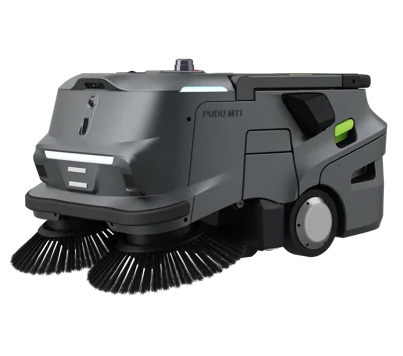
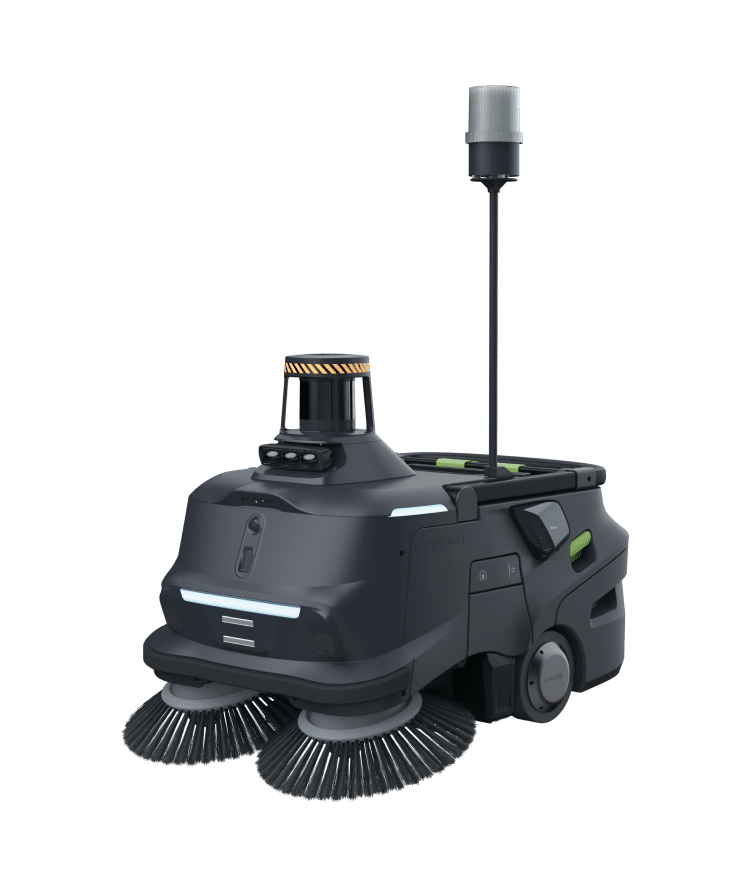
A robot works best in large, contiguous stretches of hard floor surfaces, polished concrete, epoxy, or tile. A fulfillment centre or manufacturing plant often has exactly this layout, with wide aisles and open bays a robot can navigate without constant redirection. An autonomous dry sweeper such as the PUDU MT1 Max is built for large dry zones like these. If most of your facility fits that profile, this is the strongest single sign of readiness.
Cleaning Runs on a Consistent Nightly Schedule
Robots clean best when they run on a set schedule — ideally overnight or between shifts when foot traffic is low. A grocery distribution hub running multiple shifts, or a manufacturing plant with a fixed overnight cleaning window, gives a robot the same route and the same hours every time.
As a result, the robot builds an efficient cleaning pattern instead of working around constantly shifting demand. Facilities with irregular or unpredictable cleaning windows see far less value from automation.
Your Floor Layout Stays Stable Week to Week
A cleaning robot navigates using a map it builds of your facility. That map only stays accurate when the layout stays consistent. A logistics facility or large retail warehouse with fixed racking, marked aisles, and predictable pallet storage gives the robot a stable environment to work in.
In contrast, facilities that rearrange shelving, staging areas, or product displays every week create more remapping work than most operations teams want to manage. If your floor plan stays the same week to week, your facility is a stronger fit.
Cleaning Labour Is Expensive, Hard to Find, or Both
Cleaning has some of the highest staff turnover of any industry, with janitorial turnover often estimated at around 200%. In Canada, the federal Job Bank reports that some employers struggle to recruit cleaners, citing high turnover and too few applicants.
If you are paying overtime to cover staff absences, retraining new cleaners every few months, or struggling to fill overnight shifts, that cost pressure is a readiness signal on its own. A robot does not replace every cleaning task. However, it can take on the repetitive floor work that is hardest to staff.
You Have No Reliable Way to Measure Cleaning Performance
Most facilities rely on a supervisor walking the floor or a paper checklist to confirm cleaning happened, leaving real gaps in accountability. For example, a facility manager in a hospital or airport setting often cannot say with certainty which zones were cleaned last night or how long it took.
Cleaning robots generate automatic cleaning reports showing the area cleaned, the time taken, and the resources used, available through the PUDU Link app. That gives operations teams a record that manual cleaning cannot provide. If you cannot currently answer basic questions about your cleaning coverage, this is a sign your facility is ready for a different approach.
Your Facility Has Different Zones With Clear Floor Separations
Facilities with clearly separated zones — such as a hospital with distinct corridor and ward sections, or an airport with separated terminal and concourse areas — make it easier to deploy a robot in phases.
In practice, clear boundaries let a facility team start with one zone, confirm performance, and expand from there without slowing down the rest of the building. Open-plan facilities with no natural boundaries can still work, but phased zones reduce the planning work needed before the first deployment.
Reactive Cleaning or Rework Already Appears in Your Budget
If your maintenance budget already includes line items for emergency mopping, slip-and-fall response, or after-hours rework because your team missed a shift, that spending is a readiness signal.
Reactive work is “inherently less efficient and more expensive than a structured maintenance cadence,” according to Buildings. It usually points to a gap that a consistent robot route can close.
Readiness Goes Beyond Floor Space
Physical layout is only part of the equation. KBS documented a national grocery chain that initially struggled with low robot utilization, even though the facility met every physical requirement for automation. The issue wasn't the robot or the floor. It was how the team staffed and routed the program.
Fact: According to the KBS case study, after the deployment schedule was restructured and the team managing it was retrained, robotic utilization increased by 49% within nine weeks, leading to more than $2 million in annual savings and a 21% reduction in cleaning costs.
That result is a reminder that floor space and layout only get a facility part of the way to readiness. How a facility structures the program after purchase matters just as much. Interest is growing quickly too: the use of AI robots in commercial cleaning has increased by 50%in the past two years, according to KBS.
Facility Size Does Not Disqualify You
Robots clean facilities from 465 m² (5,000 sq ft) to more than 92,900 m² (1,000,000 sq ft), according to Sproutmation's buyer fit guide. A small facility with the right floor type and schedule can be a better fit than a large one with an unstable layout.
The question is never square footage. It is always layout, schedule, and operational structure. A consultation with the right team is the fastest way to confirm fit for any facility size.
Run a Floor Audit Before You Request a Quote
- Your facility and mark every open hard floor zone
- Flag tight aisles, cluttered areas, and any zone where the layout changes often
- Estimate your robot-cleanable floor area by excluding the zones you flagged
- Talk to Epic Robotics about which robot fits your floors
Epic Robotics is a 100% Canadian-owned PUDU partner based in Calgary, with local support across Canada. Our team handles installation, deployment, and in-house service, with a 2–3 day service response, so the robot you choose keeps running after the demo.
If 3 or more of these signs match your facility, you already have a strong case for automation. Talk to our team to see which PUDU robot fits your floors, or book a demo to see it in action.
Frequently Asked Questions
Can a cleaning robot replace my janitorial staff?
No — a cleaning robot handles repetitive floor cleaning, but it does not replace your full cleaning team. Staff still manage tasks the robot cannot: washrooms, equipment bays, and spot cleaning. The robot takes on the repetitive floor work and frees your team for higher-value tasks.
What size facility needs a cleaning robot?
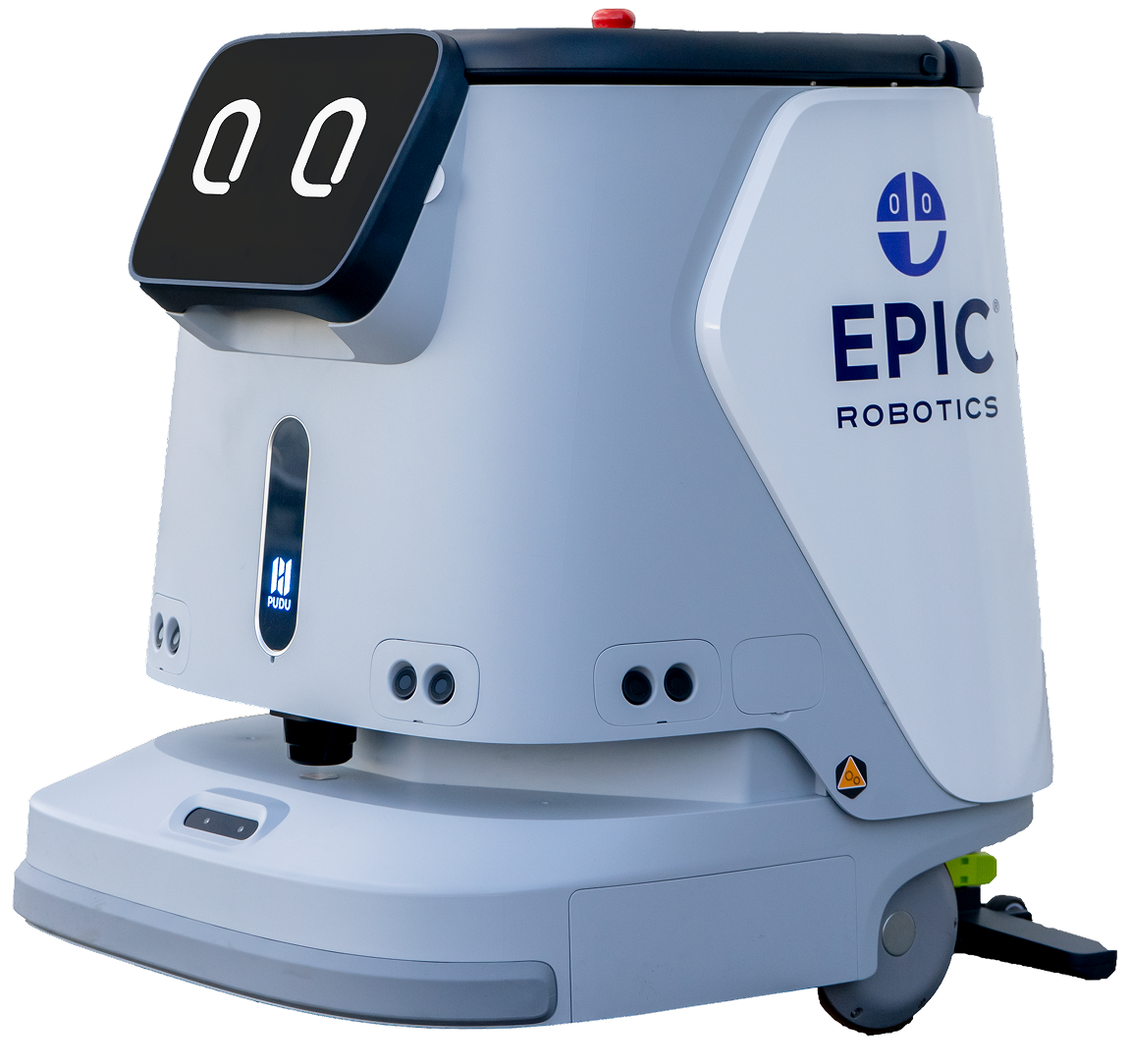
Any size. Floor type and layout matter more than square footage. The PUDU CC1 cleans 700–1,000 m²/h for indoor sites like offices and retail stores. The PUDU MT1 Max sweeps up to 2,200 m²/h and suits large sites such as warehouses, distribution centres, and loading docks.
How long does it take to see ROI from a cleaning robot?
It depends on how much floor work the robot takes over. The PUDU MT1 Max runs 5–10 hours per charge and the PUDU CC1 runs 3–9 hours, enough to cover a night shift. PUDU Link reports show the area cleaned and time taken on every run, so you can track the return against your labour costs.
Recent Blog
4-in-1 Scrubber or Industrial Sweeper? Pick the Right Robot

October 25, 2026
Autonomous Cleaning Robot ROI: Costs, Payback and Savings
October 24, 2026
Do Cleaning Robots Work in Cold Storage and Winter Warehouses?
October 24, 2026

Ready to Get Started?
All-in-One Cleaning Solution:Sweeping, Scrubbing,
Vacuuming and Dust-mopping


