.svg)
.svg)
.svg)





The Daily Cleaning Challenges Facing Transit Facilities
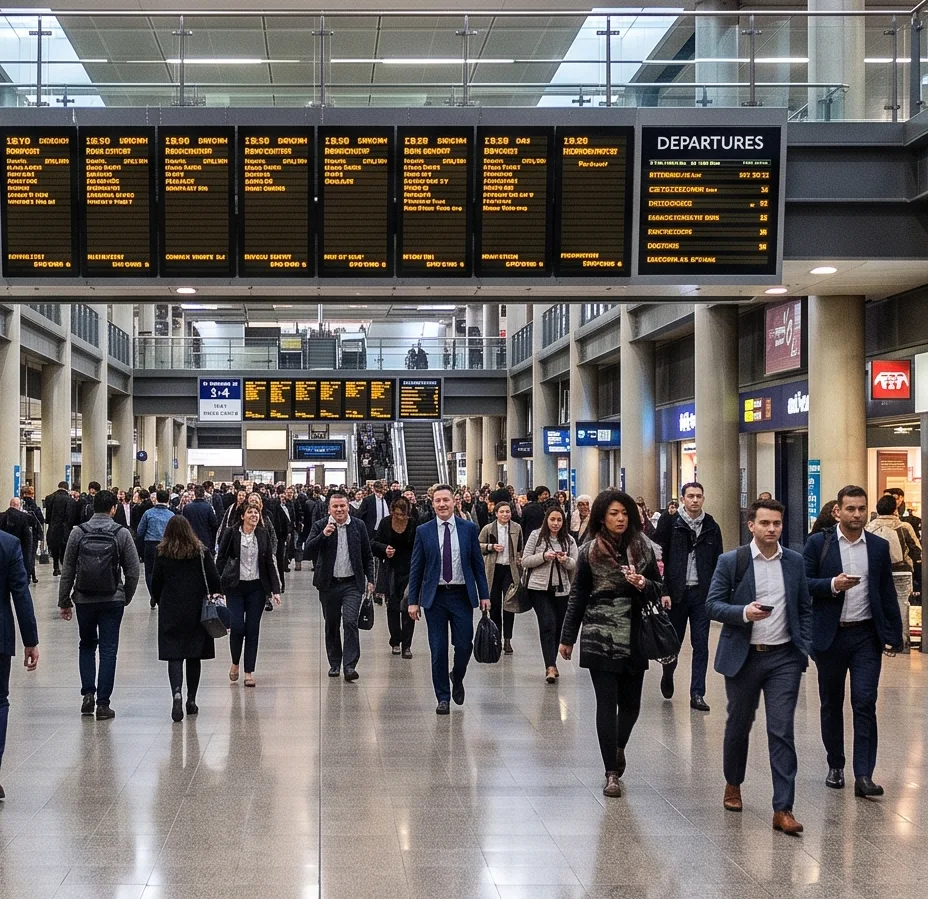
Nonstop Passenger Flow Pressure
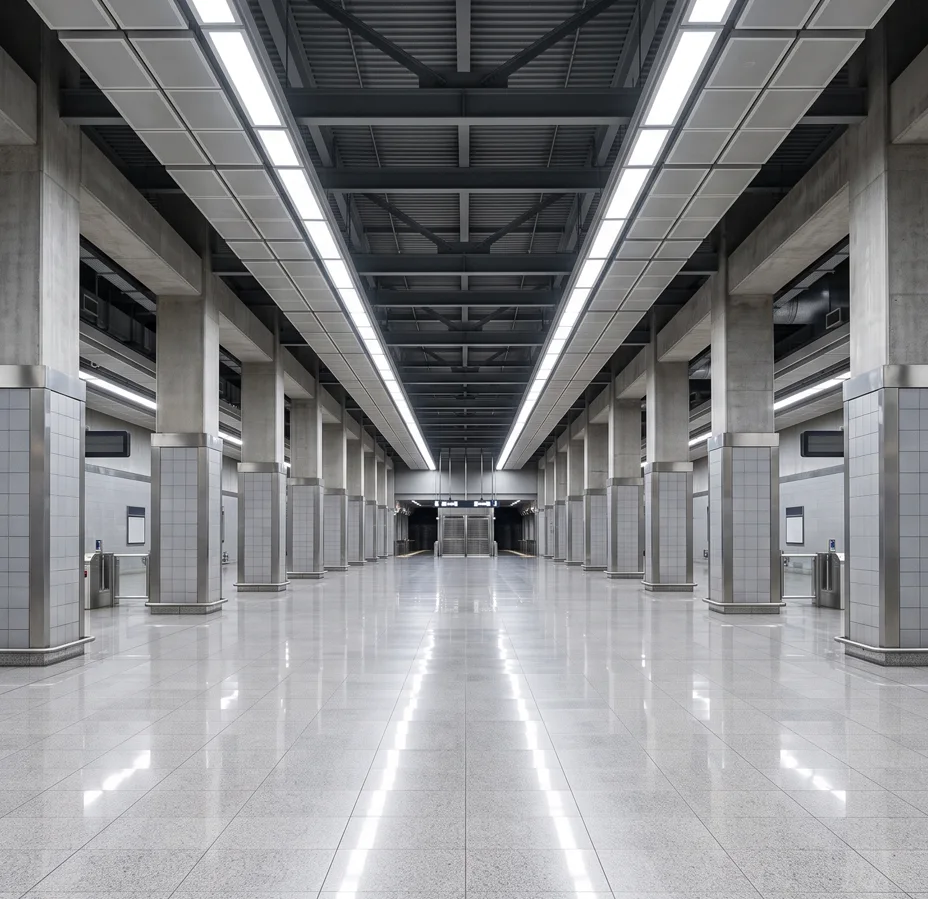
Oversized Terminal Floor Space
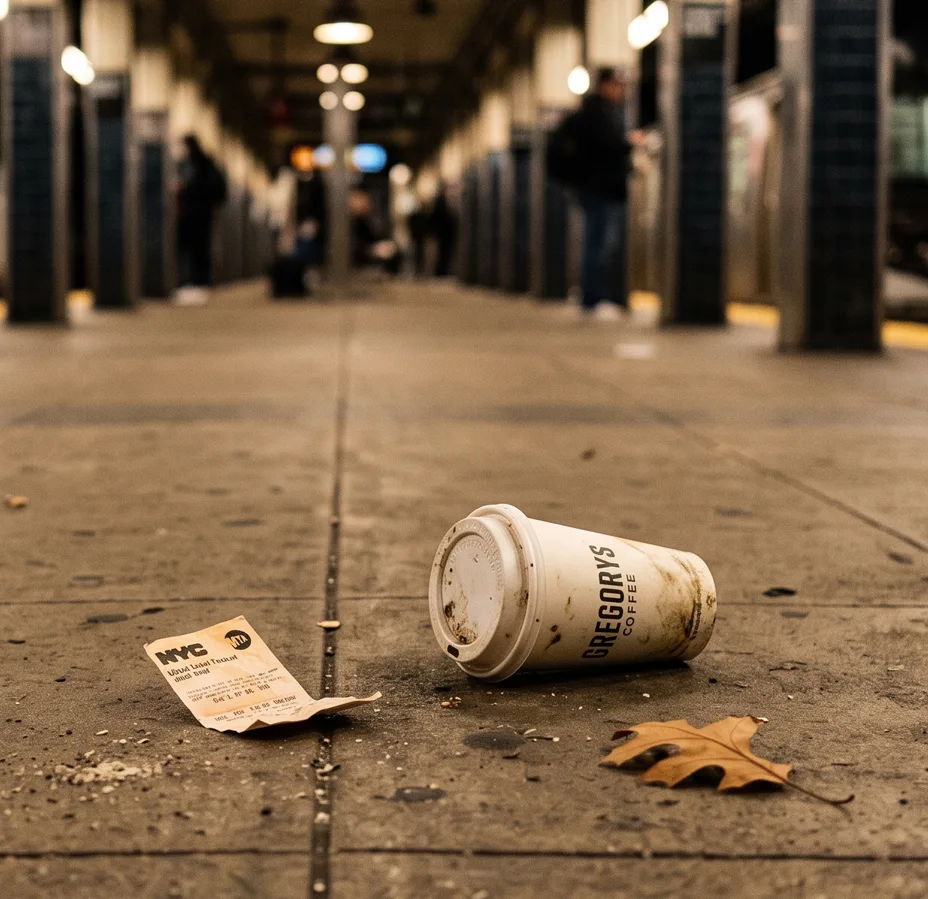
Constant Debris and Spill Risk
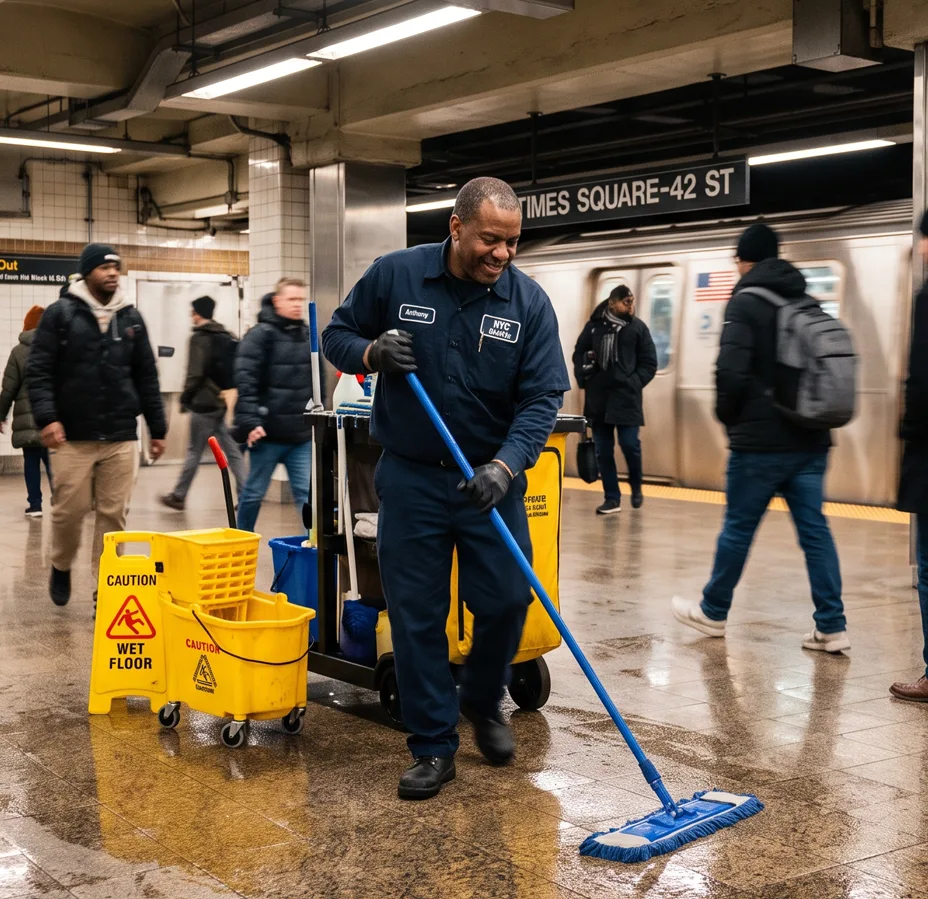
Peak Hour Cleaning Crew Risk
How Epic Robotics Automates Terminal Cleaning

Step 1
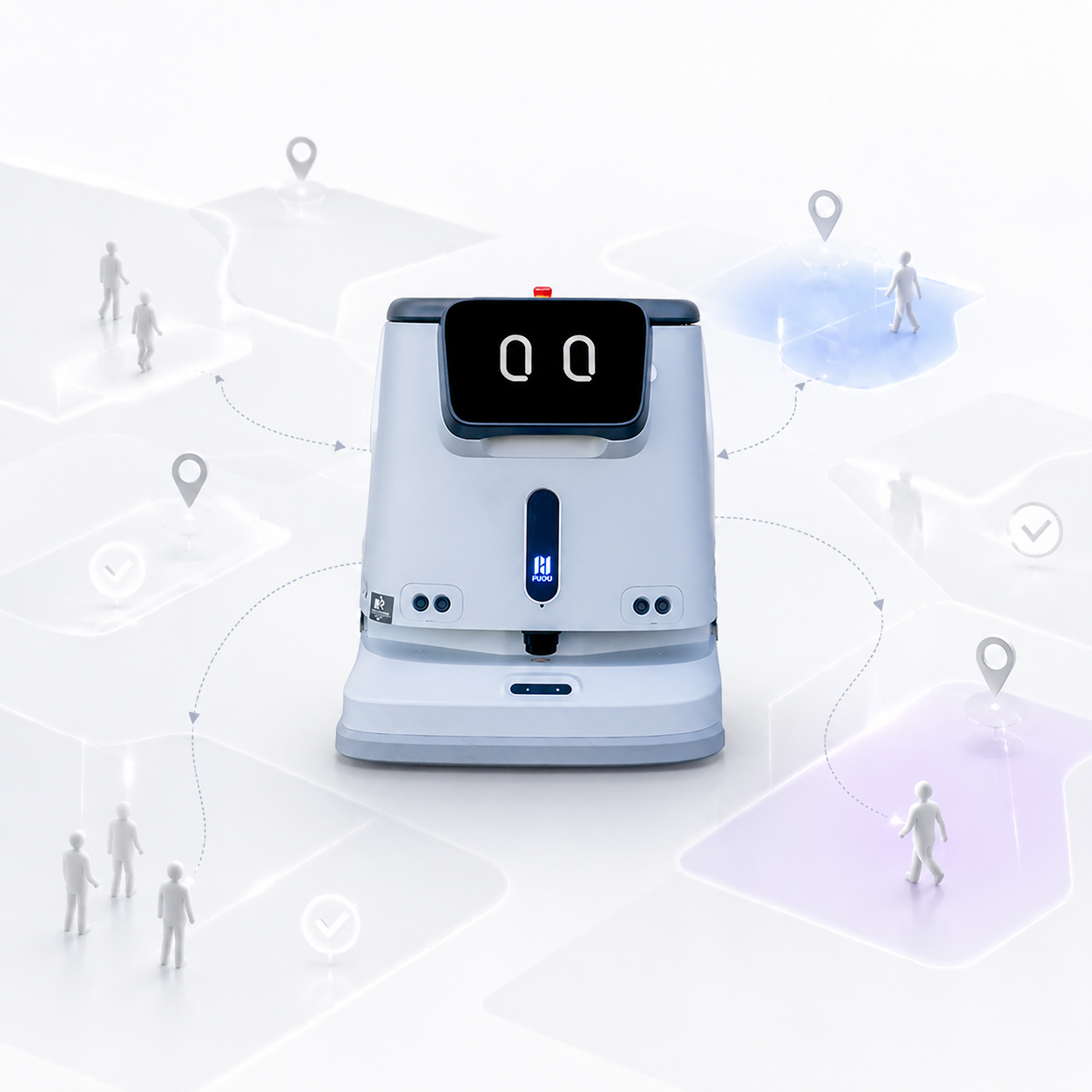
Dynamic Routing Around Crowds
Robots navigate around crowds, queues, luggage, and blocked corridors in real time without interrupting passenger flow or dropping coverage.

Step 2
Peak-Scheduled Zone Coverage
Cleaning routes are scheduled around peak travel periods and passenger surges, keeping bus terminal concourses, metro platforms, ticketing halls, and transit corridors consistently clean throughout the full operating day.

Step 3
Rapid Floor Spill and Hazard Control
Targeted cleaning routes address spills, salt trails, and high-risk entrances before small messes escalate into active slip hazards or serious passenger safety incidents.

Step 4
ESG and Compliance Data Tracking
Each cleaning cycle is logged with coverage area, runtime, and water use, giving transit facility managers verified records for cleaning standards, compliance reporting, and transit authority audit requirements.
Why Choose Epic Robotics
Epic Robotics is a Canadian-based robotics company with a local deployment team, national service coverage, and end-to-end support built into every engagement, including replacement unit availability to keep your facility running with minimal downtime.
- Canadian-based support
- Local deployment team
- Operator training included
- Preventive maintenance
- Remote diagnostics
- Replacement support to minimize downtime

#1
80+
99.9%
100%
How Autonomous Cleaning Robots Improve Transit Facility Operations

24/7 Floor Cleaning Coverage
Autonomous floor cleaners run through bus terminal walkways, metro station platforms, and transit corridors around the clock, delivering continuous coverage across all active zones independently of shift schedules.
Peak Hour and Overnight Reset Coverage
Cleaning robots handle both rush-hour zone maintenance and overnight terminal resets without fatigue, shift gaps, or manual supervision, returning the facility to a clean baseline before the next service period.
Direct Labour Cost Reduction
Autonomous robots take over repetitive floor cleaning across the largest bus terminal and metro station floor zones, directly reducing the manual labour burden without disrupting active operations.
Traceable Cleaning Performance Records
Built-in reporting logs completed zones, run times, coverage area, and water consumption — giving facility managers audit-ready documentation for cleaning standards and compliance reviews.
Reduced Passenger Flow Disruption
Autonomous cleaning reduces the need for large manual crews in bus terminal concourses, metro station platforms, and ticketing areas, keeping passenger movement clear and unobstructed.
Consistent Standards Across Facilities
Transit teams apply the same cleaning process across platforms, concourses, ticketing halls, and terminals, maintaining a uniform standard throughout the entire facility.
24/7 Floor Cleaning Coverage
Autonomous floor cleaners run through bus terminal walkways, metro station platforms, and transit corridors around the clock, delivering continuous coverage across all active zones independently of shift schedules.
Peak Hour and Overnight Reset Coverage
Cleaning robots handle both rush-hour zone maintenance and overnight terminal resets without fatigue, shift gaps, or manual supervision, returning the facility to a clean baseline before the next service period.
Passengers Notice the Difference
Cleaning robots take over repetitive floor cleaning across the largest bus terminal and metro station floor zones, directly reducing the manual labour burden without disrupting active operations.
Traceable Cleaning Performance Records
Built-in reporting logs completed zones, run times, coverage area, and water consumption — giving facility managers audit-ready documentation for cleaning standards and compliance reviews.
Reduced Passenger Flow Disruption
Autonomous cleaning reduces the need for large manual crews in bus terminal concourses, metro station platforms, and ticketing areas, keeping passenger movement clear and unobstructed.
Consistent Standards Across Facilities
Transit teams apply the same cleaning process across platforms, concourses, ticketing halls, and terminals, maintaining a uniform standard throughout the entire facility.
Technical Capabilities for Transit Facility Floor Care
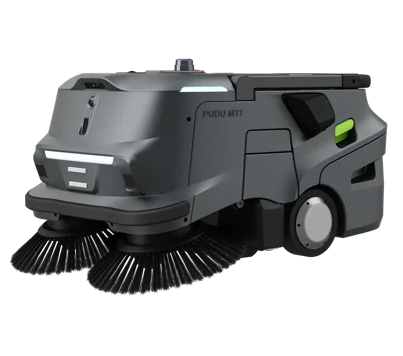
Built for the demands of active transit environments, autonomous cleaning robots combine high-capacity floor care, onboard safety systems, and multi-zone operation in one commercial-grade unit.
Cleaning Performance
4-in-1 Cleaning Modes
Switches between sweeping, scrubbing, vacuuming, and mopping across bus terminal concourses and metro platforms automatically.

500 mm Sweeping Path Width
500 mm working width with side brush, covering transit corridors, ticketing halls, and platform edges in fewer passes.

700–1,000 m² Per Hour Coverage
Covers 700 to 1,000 m² per hour across bus terminal concourses and metro platforms, keeping consistent floor care every shift.
Operational Capacity

Separate 15L Water Tanks
Carries a 15L clean water tank and a separate 15L dirty water tank for extended store runs without mid-cycle refills or operator intervention.

Up to 9-Hour Battery Runtime
Supports 3 to 9 hours per charge depending on cleaning mode, covering multiple zones across bus terminals and metro stations.

Under 3-Hour Full Recharge
Recharges from empty to full in under 3 hours, returning the unit to active service within the same operating window.
Onboard Systems

Below 70 dB Quiet Operation
Operates below 70 dB across all cleaning modes, allowing deployment in occupied metro stations, waiting lounges, and ticketing halls.

Visual and LiDAR SLAM Navigation
Uses Visual SLAM and LiDAR SLAM to map the facility and navigate around passenger crowds and obstructions across transit terminals.

Real-Time Passenger Detection
Dual RGBD cameras, LiDAR, and ultrasonic sensors detect passengers in real time and adjust the robot's path automatically.
Cleaning Performance
4-in-1 Cleaning Modes
Switches between sweeping, scrubbing, vacuuming, and mopping across bus terminal concourses and metro platforms automatically.
500 mm Sweeping Path Width
500 mm working width with side brush, covering transit corridors, ticketing halls, and platform edges in fewer passes.
700–1,000 m² Per Hour Coverage
Covers 700 to 1,000 m² per hour across bus terminal concourses and metro platforms, keeping consistent floor care every shift.
Navigation & Safety
Separate 15L Water Tanks
Carries a 15L clean water tank and a separate 15L dirty water tank for extended store runs without mid-cycle refills or operator intervention.
Up to 9-Hour Battery Runtime
Supports 3 to 9 hours per charge depending on cleaning mode, covering multiple zones across bus terminals and metro stations.
Under 3-Hour Full Recharge
Recharges from empty to full in under 3 hours, returning the unit to active service within the same operating window.
Enterprise Features
Below 70 dB Quiet Operation
Operates below 70 dB across all cleaning modes, allowing deployment in occupied metro stations, waiting lounges, and ticketing halls.
Visual and LiDAR SLAM Navigation
Uses Visual SLAM and LiDAR SLAM to map the facility and navigate around passenger crowds and obstructions across transit terminals.
Real-Time Passenger Detection
Dual RGBD cameras, LiDAR, and ultrasonic sensors detect passengers in real time and adjust the robot's path automatically.
Typical Payback
Autonomous cleaning robots significantly reduce routine floor cleaning labour across concourses, bus terminal bays, and metro platform corridors, with savings that vary based on facility layout, staffing model, and shift structure.
The investment case for autonomous cleaning in bus terminals and metro stations is driven by sustained labour cost reduction across high-frequency floor zones. Facility operators should request a site-specific assessment to evaluate their payback horizon.
Transit customers typically achieve:
- Measurable labour cost savings
- Reduced manual cleaning labour
- Consistent facility floor hygiene
- Digital cleaning records logged